







Ebola Confirmed in Three DRC Provinces With 160 Suspected Deaths
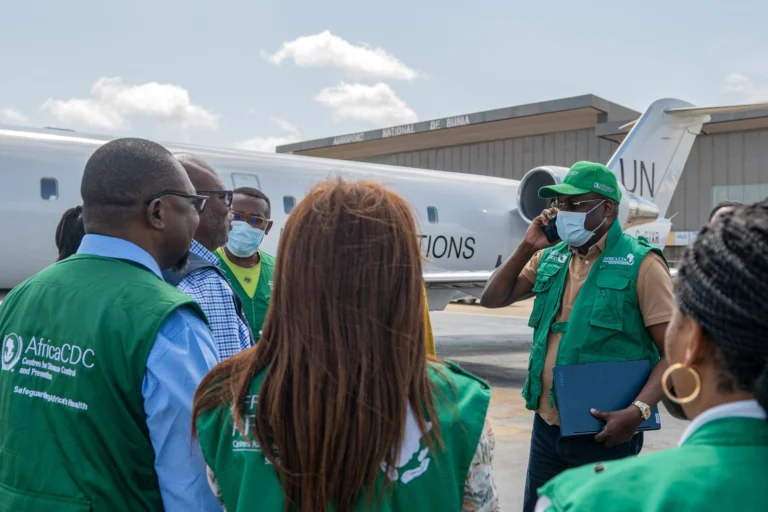
Director General of Africa Centres for Disease Control and Prevention (Africa CDC), Jean Kaseya (R) arrives at Bunia Airport to lead the response to the Ebola outbreak caused by the Bundibugyo virus, in Bunia, Ituri province, eastern Democratic Republic of Congo, May 21, 2026. Photo: EFE.
May 22, 2026 Hour: 4:35 am
🔗 Comparte este artículo
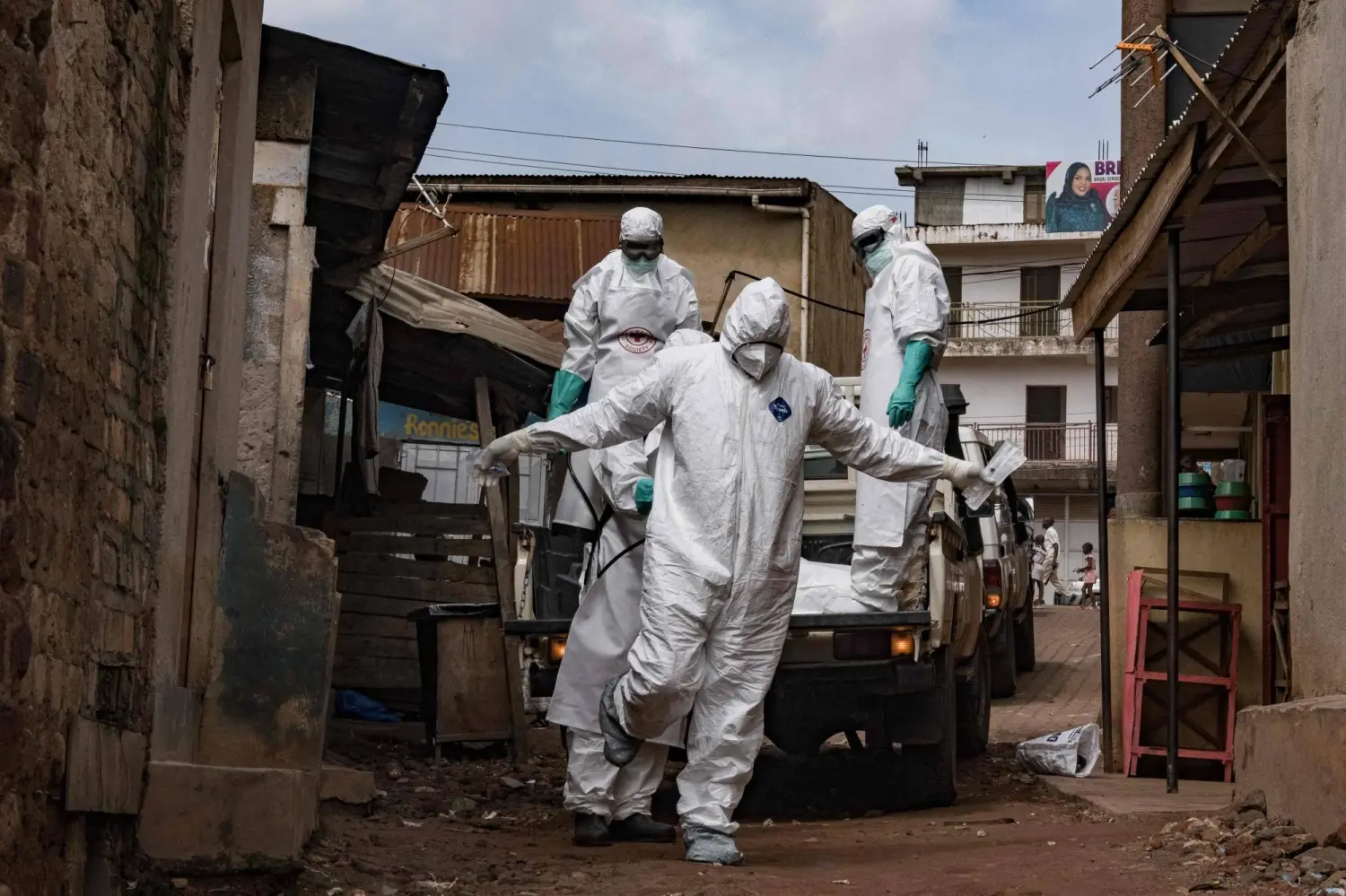
A total of 160 suspected deaths and 671 suspected cases of Ebola have been recorded in the eastern Democratic Republic of the Congo since the outbreak was declared one week ago, with the virus now spreading across three provinces — Ituri, North Kivu, and South Kivu —, the DRC Ministry of Health reported late Thursday.
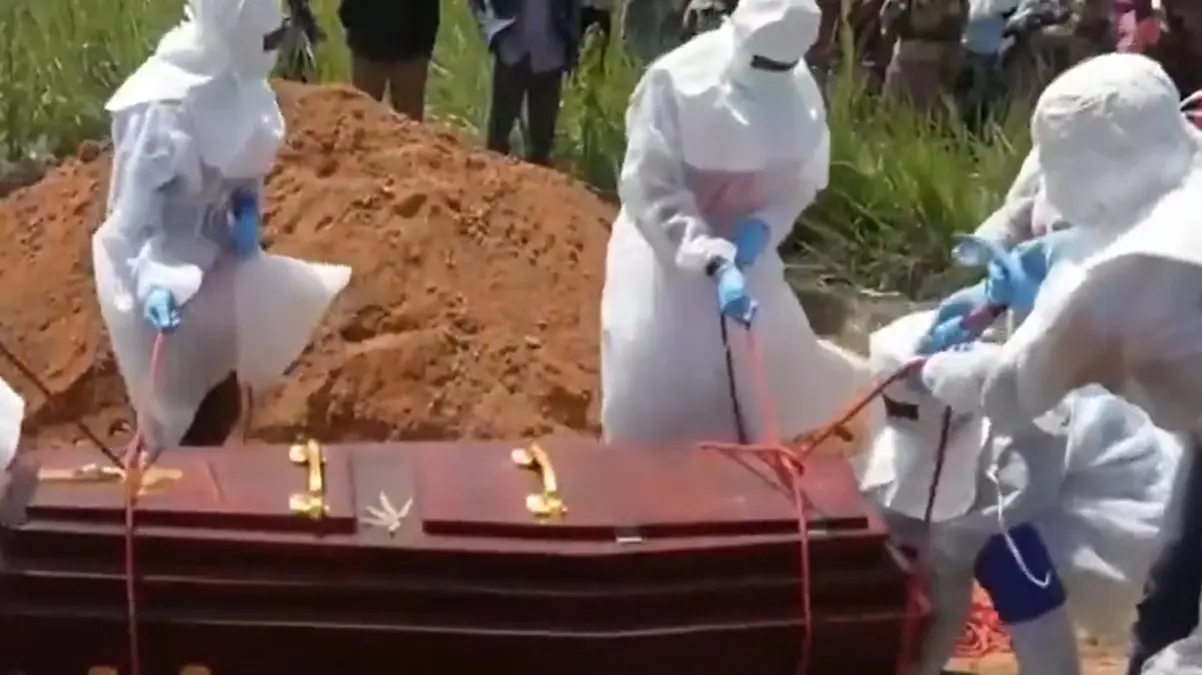
The ministry’s latest bulletin, covering data through Wednesday, confirmed 64 laboratory‑positive cases and six confirmed deaths. However, the vast majority of the 160 fatalities and 671 suspected cases remain under investigation.
At the same time, 160 infected people have recovered. The epicenter is Ituri province, which borders Uganda and South Sudan, but the outbreak has already reached North Kivu and, according to a rebel‑controlled area, South Kivu, where the M23 group reported one Ebola death.
RELATED: W.H.O. Raises Ebola Epidemic Risk in Uganda, DR Congo
The outbreak is caused by the Bundibugyo strain of Ebola, which has a fatality rate of 30–50% and has no authorized vaccine or specific treatment, according to the World Health Organization. The WHO declared the outbreak a Public Health Emergency of International Concern on Sunday, though it considers the global risk low. The virus likely began circulating in Ituri two months ago, the WHO added.
Outside the DRC, Uganda confirmed two imported cases in Kampala, both originating from the DRC. South Sudan is conducting additional laboratory tests on a suspected case in Western Equatoria state, near the Congolese border. Several African countries have stepped up health screenings, and Rwanda has closed its borders entirely.
The African Union’s public health agency and the WHO are mobilizing resources to contain the outbreak, which is the 17th Ebola outbreak recorded in the DRC since the virus was first identified there in 1976.
Ebola is transmitted through direct contact with bodily fluids of infected people or animals, causing severe hemorrhagic fever, vomiting, diarrhea, and internal bleeding. The WHO estimates its average mortality rate ranges from 25% to 90%, depending on the strain and response. The ongoing conflict in eastern DRC, particularly the presence of armed groups such as the M23 in South Kivu, is complicating containment efforts.
Author: Victor Miranda
Source: agencies